Best Emotional Support Animals for Minnesota Apartments — A Clinician-Vetted Lineup
Finding the right emotional support animal for a Minnesota apartment is rarely a one-size-fits-all decision. The animal that provides genuine therapeutic comfort for one person may be entirely impractical for another, and the square footage of a Minneapolis studio is a very different environment from a roomy Duluth two-bedroom. What remains constant, however, is the legal framework that protects your right to live with that animal: the Fair Housing Act (FHA), reinforced by HUD's definitive guidance document FHEO-2020-01 (Assessing a Person's Request to Have an Animal as a Reasonable Accommodation Under the Fair Housing Act), gives individuals with qualifying mental health conditions the right to request a reasonable accommodation that allows their emotional support animal to reside with them — regardless of a building's standard pet policy, breed restriction, or no-pets clause.
The critical key that unlocks that protection is a properly issued ESA letter from a licensed mental health professional (LMHP) who holds an active Minnesota license — typically a licensed clinical social worker (LCSW), licensed marriage and family therapist (LMFT), licensed professional counselor (LPC), psychologist, or psychiatrist. No online registry, ID card, or certificate substitutes for this document. HUD has explicitly confirmed that so-called "ESA registries" carry no legal weight whatsoever.
With that foundation in place, the question becomes practical: which animals are genuinely well-suited to apartment life in Minnesota, and why does the choice matter therapeutically? Below, our clinician-vetted lineup walks you through eight strong options — ranked not by popularity alone, but by a combination of therapeutic versatility, apartment compatibility, and realistic care demands across Minnesota's demanding climate. Read on, and when you are ready to take the next step, explore how a Minnesota ESA housing letter can protect your right to live with the animal that supports your mental health.
Disclaimer: This article is provided for informational purposes only and does not constitute medical, mental health, or legal advice. Nothing here should be construed as a diagnosis, a treatment recommendation, or a guarantee of ESA letter issuance. A Minnesota-licensed clinician will determine whether an emotional support animal is therapeutically appropriate for your individual situation. For housing disputes or landlord conflicts, please consult a Minnesota-licensed attorney or contact your local legal aid office for FHA enforcement guidance.
Why Animal Choice Matters for Minnesota Apartment Dwellers
Minnesota winters are long, temperatures regularly drop below zero, and many apartment complexes — particularly in the Twin Cities metro — enforce strict weight limits, breed restrictions, and no-exotic-animal clauses as part of their standard lease terms. Under the FHA and HUD's FHEO-2020-01 guidance, a landlord must engage in an "interactive process" and consider a reasonable accommodation request on its individual merits; blanket breed bans and weight limits may not be automatically applied to an ESA the way they are to ordinary pets. That said, a landlord retains the right to deny a specific animal if it poses a direct threat to health or safety or would cause fundamental alteration of the housing. Choosing a temperamentally sound, well-managed animal from the outset reduces friction and supports your case.
Therapeutically, the right species and individual animal can meaningfully amplify the benefits — reduced anxiety, improved mood regulation, decreased social isolation — that many people with qualifying conditions experience. A licensed clinician will weigh your specific diagnosis, living situation, activity level, and support needs when determining whether an ESA is appropriate. The list below is meant to inform that conversation, not replace it.
The Clinician-Vetted Lineup
1. Dogs — The Anchor of Emotional Support
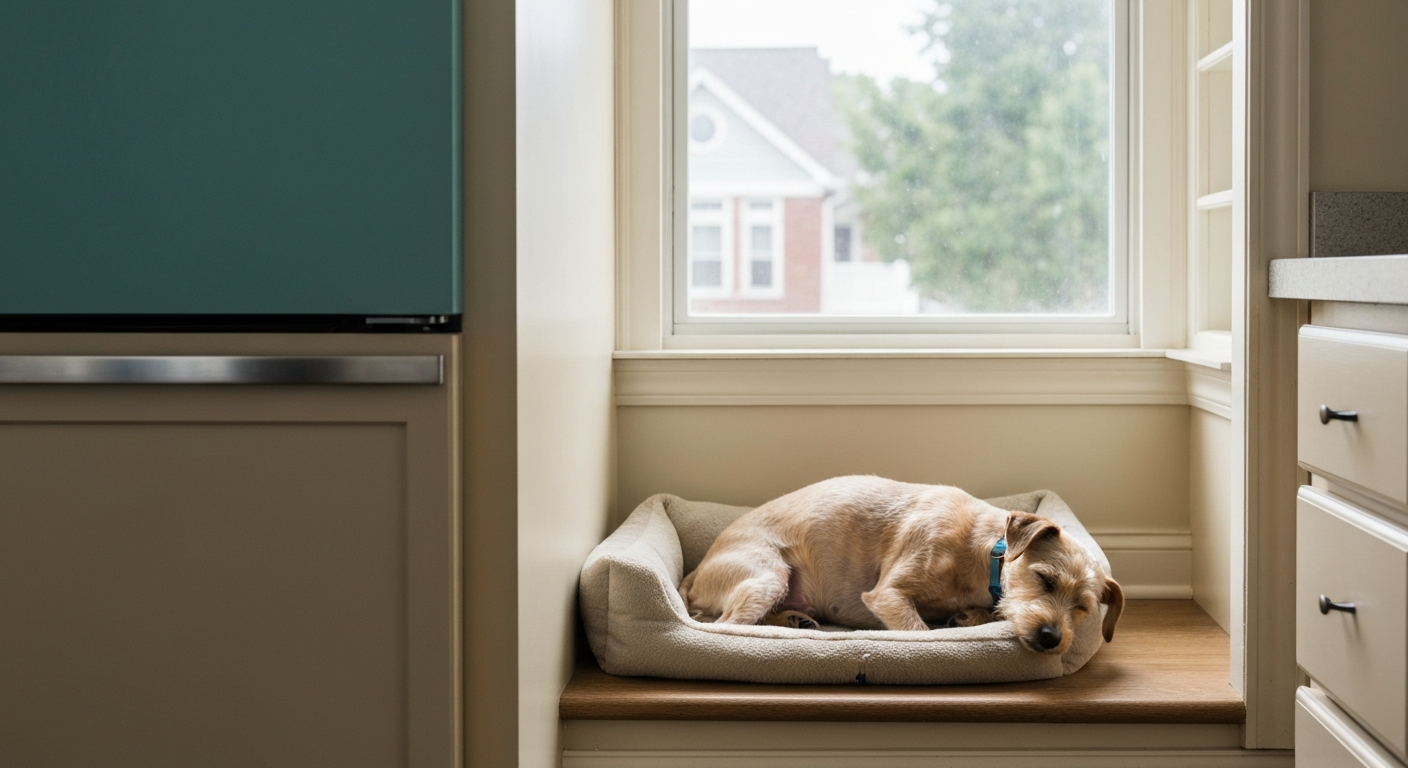
It is no surprise that dogs top the list. For many individuals managing depression, anxiety disorders, PTSD, or panic disorder, the predictable, responsive companionship of a dog provides a powerful daily anchor. Dogs encourage routine — feeding times, morning walks, consistent bedtime — and that structure alone carries measurable therapeutic weight for people whose conditions can disrupt self-regulation. Within a Minnesota apartment, medium-sized breeds with calm temperaments tend to adapt best to limited square footage and frigid winters that make long outdoor exercise sessions impractical for months at a time.
Breeds commonly cited by clinicians for apartment suitability include Cavalier King Charles Spaniels, French Bulldogs, Basset Hounds, Greyhounds (famously low-energy indoors), and Shih Tzus. Larger, higher-energy breeds can absolutely serve as excellent emotional support animals, but they require deliberate enrichment strategies — puzzle feeders, indoor training sessions, and creative exercise — during Minnesota's coldest months. It is also worth noting that under HUD guidance, a landlord cannot automatically refuse a dog simply because of its breed; the relevant question is whether the specific animal poses a direct threat based on observable behavior, not breed alone.
If your clinician agrees that a dog is therapeutically appropriate for you, spend time researching temperament carefully and consider whether a calm adult dog from a rescue may be a more stable fit for apartment life than a high-drive puppy. For an in-depth look at breed-specific considerations, see our guide to ESA dogs and the best breeds for Minnesota apartments.
Practical Takeaway: Dogs offer unparalleled interactive support but require honest self-assessment of your ability to provide consistent care. Work with your Minnesota clinician to confirm therapeutic appropriateness, then prioritize temperament and energy level over appearance when selecting your animal.
2. Cats — Quiet, Low-Maintenance Emotional Regulators
Cats are arguably the single most apartment-compatible animal on this list. They require no outdoor access, adapt gracefully to small spaces, and their independent nature means they do not typically suffer from separation anxiety the way dogs can. For individuals whose mental health conditions are accompanied by fatigue, chronic pain, or irregular schedules — conditions that can make high-demand pet ownership overwhelming — a cat can provide meaningful emotional support without tipping the care burden into a source of additional stress.
Research published in peer-reviewed journals on human-animal interaction suggests that the act of stroking a cat and the low-frequency vibration of purring may support parasympathetic nervous system activation — in plain terms, many people find that spending time with a purring cat reduces the physical sensations of anxiety. Breeds sometimes noted for particularly affectionate or "lap-cat" temperaments include Ragdolls, Maine Coons (a popular choice in Minnesota, fittingly), Scottish Folds, and Siamese. That said, individual personality varies widely even within breeds, and a thoughtfully chosen adult rescue cat can be just as therapeutically valuable as any pedigree animal.
From a housing rights perspective, cats are rarely a source of reasonable-accommodation disputes — they are small, quiet, and unlikely to meet the "direct threat" standard that might be argued for a large dog. A valid Minnesota ESA letter, properly issued by a licensed clinician, is still required to invoke FHA protections; the cat's species does not exempt you from that requirement. Explore our detailed resource on ESA cats as quiet companions in Minnesota for breed guidance and housing tips.
Practical Takeaway: Cats are an excellent first consideration for smaller apartments, busier individuals, or those whose conditions make high-maintenance care challenging. A licensed Minnesota clinician can assess whether the particular emotional-support profile of a cat aligns with your therapeutic needs.
3. Rabbits — Gentle Companions with a Surprisingly Therapeutic Profile
Rabbits occupy a genuinely underappreciated place in the ESA conversation. They are quiet enough for even the most noise-sensitive apartment complexes, they produce almost no allergens compared to cats and dogs (important for building communities), and they are remarkably soft — the tactile dimension of rabbit ownership is one reason clinicians sometimes consider them for clients who benefit from sensory grounding techniques. Rabbits are also intelligent, recognizably affectionate animals that develop real bonds with their caregivers, which supports the relational therapeutic mechanism central to ESA benefit.
Minnesota's apartment climate suits rabbits well in one critical respect: they are indoor-only animals and thrive in the same temperature range as humans. They do not need to brave subzero January mornings. Their main care requirements are a sufficiently large enclosure (a common-sense investment in the animal's welfare), a hay-based diet, daily out-of-enclosure socialization time, and rabbit-proofed living space. For individuals managing social anxiety or agoraphobia who find the outdoor obligations of dog ownership difficult, a rabbit can provide consistent companionship without that pressure.
It is worth noting that some landlords may initially be unfamiliar with rabbits as ESAs. HUD's FHEO-2020-01 guidance is not species-limited to cats and dogs; it applies to any animal for which a qualified individual provides a legitimate accommodation request supported by documentation from a licensed mental health professional. Your Minnesota ESA letter from a licensed clinician is the operative document. For a comprehensive look at this option, visit our guide on rabbits as emotional support animals in Minnesota.
Practical Takeaway: Rabbits are a compelling choice for individuals who want a quiet, bonded companion without the outdoor-exercise obligation. Be prepared to educate your landlord about FHA protections, and ensure your clinician documents the therapeutic rationale clearly in your ESA letter.
4. Guinea Pigs — Social, Calm, and Surprisingly Engaging
Guinea pigs are social animals that communicate through a charming repertoire of vocalizations — a gentle wheeking for attention, a contented purring when held — and that interactive quality can be genuinely regulating for individuals who experience emotional numbness, dissociation, or low motivation. Their small size and relatively simple care routine make them accessible to a wide range of individuals, and pairs of guinea pigs can entertain each other during working hours, reducing the caregiver's obligation to be their sole source of stimulation.
From a Minnesota apartment standpoint, guinea pigs are close to ideal in terms of footprint. They require a reasonably sized cage (larger is better for welfare), daily fresh vegetables, unlimited hay, and regular gentle handling to maintain their social bond with you. They are fully indoor animals, which matters enormously during Minnesota winters. Clinicians may consider guinea pigs particularly appropriate for clients who would benefit from a consistent nurturing routine without the intensity of dog or cat ownership.
As with rabbits, a landlord may initially question whether a guinea pig qualifies as an ESA. The answer under FHA guidance is straightforward: the qualifying factor is the documented therapeutic relationship between the person, their mental health condition, and the animal's supportive function — not the species. A properly issued Minnesota ESA letter addresses this directly.
Practical Takeaway: Guinea pigs offer meaningful daily interaction, a manageable care commitment, and virtually no noise or space impact. Consider adopting in bonded pairs for optimal animal welfare, and discuss with your clinician whether their particular therapeutic profile fits your support needs.
5. Birds — Vocal Connection and Cognitive Engagement
For certain individuals, particularly those managing conditions characterized by loneliness, cognitive withdrawal, or reduced verbal engagement, a bird can provide a uniquely stimulating form of companionship. Species such as budgerigars (parakeets), cockatiels, and lovebirds are apartment-sized, relatively long-lived, and capable of developing recognizably individual personalities that many owners describe as genuinely responsive and relationship-like. The cognitive engagement required to interact with and train a bird also supports the kind of purposeful daily activity that many therapeutic frameworks encourage.
Minnesota apartments present one practical consideration: birds are sensitive to drafts and temperature fluctuations, and placement away from exterior walls or windows during winter is important for the animal's health. Apartment-appropriate bird species are generally quiet enough not to disturb neighbors — cockatiels and budgies produce a soft, pleasant chatter, though they should not be housed adjacent to a shared wall in a thin-walled building without some consideration of neighbor impact. Larger parrots, with their significantly higher noise levels and complex behavioral needs, are generally not recommended for ESA purposes in apartment settings.
Clinicians may consider birds appropriate for clients who have prior experience with avian care, who enjoy the engagement of teaching and interaction, and whose therapeutic goals include the cultivation of purposeful routine and relational connection. The species-neutral FHA protections apply here as well, provided your Minnesota-licensed clinician has issued a valid ESA letter.
Practical Takeaway: Birds are best suited to individuals with existing avian knowledge or a genuine interest in developing it. A cockatiel or parakeet can be an enriching, emotionally connective companion — discuss the fit with your clinician and be mindful of neighbor proximity when choosing cage placement.
6. Fish — Structured Calm for High-Anxiety Environments
Fish may not be the first animal that comes to mind when the phrase "emotional support" is used, and it is true that their interactive capacity is limited compared to mammals. However, a growing body of research in environmental psychology suggests that watching fish in a well-maintained aquarium measurably reduces heart rate and blood pressure, and the structured care routine — water changes, feeding schedules, tank maintenance — provides the kind of low-stakes daily purpose that some clinicians identify as therapeutically beneficial for clients managing depression or generalized anxiety disorder.
From a pure apartment-compatibility standpoint, fish are unmatched. They produce no allergens, make no noise, and require only the space their tank occupies. In a Minnesota winter when outdoor options narrow and cabin-fever anxiety can peak, a visually engaging aquarium in the living space can serve as a genuine environmental anchor. Betta fish, planted community tanks, and even reef-style saltwater setups are all options depending on your interest and budget.
It is important to be transparent with your clinician about what you are hoping to gain therapeutically. Fish are unlikely to be appropriate as a primary ESA for someone whose core therapeutic need is tactile comfort or social interaction, but for individuals who experience generalized hyperarousal, sleep-onset difficulty tied to anxiety, or sensory sensitivity, the calming environmental effect of a well-maintained aquarium may complement a broader treatment plan. Your licensed Minnesota clinician is best positioned to make that determination.
Practical Takeaway: Fish are a practical, neighbor-friendly option for individuals whose therapeutic needs align with environmental calm and structured routine. Be honest with your clinician about your support goals to determine whether fish are the right therapeutic fit.
7. Hamsters and Gerbils — Accessible Support for Simpler Circumstances
Hamsters and gerbils represent the most accessible entry point on this list from a cost, space, and care-complexity standpoint. For individuals who are navigating a mental health challenge while also managing financial constraints, housing instability, or significant fatigue, a small rodent can provide genuine companionship and routine-building without the financial or logistical weight of a larger animal. The act of providing daily care — cleaning, feeding, observing behavior — engages a sense of purpose and responsibility that clinical literature consistently identifies as supportive in recovery contexts.
Practically, hamsters are largely nocturnal, which means their peak activity hours may align well with individuals who experience nighttime anxiety or insomnia. Gerbils, by contrast, are diurnal and more interactive during daytime hours. Both species are quiet, clean when properly housed, and take up minimal apartment space. Minnesota winters pose no challenge whatsoever — they are fully indoor animals designed for ambient household temperatures.
As with all ESA choices, the species itself is less important than the documented therapeutic relationship between your condition, your clinical needs, and the animal's supportive function. A licensed mental health professional in Minnesota will evaluate your individual situation, and the resulting ESA letter — not the animal's species — is what triggers FHA housing protections. For guidance on working with your animal once you have one, see our resource on ESA training basics in Minnesota, which covers foundational behavioral principles applicable across many species.
Practical Takeaway: Hamsters and gerbils lower the barrier to ESA ownership for individuals with financial or logistical constraints. Discuss with your clinician whether the specific therapeutic profile — routine, purpose, tactile engagement — aligns with your support goals.
8. Miniature Pigs — An Unconventional but Legitimate Option Worth Understanding
Miniature pigs (often called "teacup" pigs, though that marketing term is widely misleading — most will reach 50–150 pounds at full maturity) are intelligent, curious, and capable of strong human bonds. For the right individual — someone who has researched the species thoroughly, has sufficient apartment space, and whose therapeutic profile aligns with the high-engagement, routine-intensive care a pig requires — they can be a legitimate and meaningful ESA. Pigs are trainable to a degree that surprises many people, responding well to positive-reinforcement methods and developing nuanced communication with their caregivers.
The honest caution here is significant: miniature pigs are not well-suited to most Minnesota apartments. They require more space than their marketing typically suggests, they can be destructive when understimulated, and they have dietary and veterinary needs that are more specialized than dogs or cats. Their status as ESAs under FHA is legally valid — HUD's FHEO-2020-01 guidance does not limit protection to domesticated animals in the traditional sense — but a landlord may request additional documentation demonstrating the animal's manageability and the absence of a direct threat, and some housing providers may push back more vigorously on unconventional species.
If you are genuinely drawn to a miniature pig and believe there is a strong therapeutic rationale, the appropriate step is an honest, in-depth conversation with your Minnesota-licensed clinician and, separately, with a Minnesota-licensed attorney familiar with FHA reasonable accommodation cases before you commit. Do not rely solely on online ESA letter services that will approve any animal without a genuine clinical assessment — that approach creates documents that many landlords and courts will rightfully question. A thoughtfully issued letter from a credentialed Minnesota clinician who has evaluated you is the only document that carries genuine legal and clinical weight.
Practical Takeaway: Miniature pigs are a legitimate but high-complexity ESA option. Proceed only with thorough research, a genuine clinical assessment from a Minnesota-licensed professional, and legal consultation before acquiring the animal or presenting an accommodation request to your landlord.
How to Secure Your Minnesota ESA Letter: The Process That Protects You
Regardless of which animal on this list resonates with you, the protective framework under the FHA is only accessible through one mechanism: a valid ESA letter issued by a licensed mental health professional who holds an active Minnesota license. That clinician must conduct a genuine evaluation of your mental health history, current symptoms, and functional limitations, and must determine — using their professional clinical judgment — that an emotional support animal is therapeutically appropriate for you. No registry, database, ID card, or certificate replaces this document. HUD has stated plainly that landlords are entitled to be skeptical of documentation from online services that issue letters without a genuine therapeutic relationship, and courts have consistently upheld that position.
When you receive a legitimate Minnesota ESA letter, it should include: the clinician's name, license type, license number, and state of licensure; the date of issuance; a statement that you are a patient or client under their care; a statement that you have a disability (without necessarily naming the specific diagnosis); a statement that the emotional support animal is part of your treatment plan or supports your disability-related needs; and the clinician's signature. It should not promise air-travel accommodations — the Department of Transportation removed ESAs from Air Carrier Access Act protections in 2021, and airlines now treat ESAs as standard pets.
To understand exactly how FHA protections apply to your Minnesota housing situation and what a compliant accommodation request looks like, read our comprehensive guide on Minnesota ESA housing letters and FHA protections. If you encounter a landlord who denies a valid, properly documented accommodation request, consult a Minnesota-licensed attorney or reach out to your local legal aid office — HUD enforcement and private legal action are both available remedies under federal law.
Matching the Animal to the Therapeutic Need: A Framework for the Conversation with Your Clinician
The most useful thing this list can do is give you a starting point for an informed conversation with a licensed mental health professional in Minnesota. When you meet with your clinician — whether for an initial assessment or as part of an ongoing therapeutic relationship — consider framing the discussion around the specific ways you hope the animal will support your mental health. Are you seeking a reason to maintain daily routine? A source of tactile comfort during dissociative episodes? A social bridge that reduces isolation? A calming sensory presence during high-anxiety nights? Each of these goals maps differently onto the animal options above, and a skilled clinician will help you identify the fit that is most likely to produce genuine therapeutic benefit rather than additional stress.
Minnesota's licensed mental health professional community is robust, and both in-person and telehealth evaluation options are available. Telehealth evaluations from Minnesota-licensed clinicians are fully valid for ESA letter purposes; the critical requirement is that the clinician holds a current Minnesota license, not that the session occurs in a physical office. Be cautious of any online service that does not clearly identify the supervising clinician's name, license type, and Minnesota license number — that transparency is the baseline standard of legitimacy.
Final Thoughts: The Right Animal, the Right Letter, the Right Protection
Minnesota apartment living presents a specific set of conditions — compact spaces, long winters, varied landlord sophistication about ESA law — that make thoughtful animal selection genuinely important. The eight animals profiled above represent a clinician-vetted range of options, from the deeply interactive (dogs, guinea pigs) to the serenely ambient (fish, hamsters), each with a legitimate therapeutic rationale for the right individual in the right circumstances.
What unifies all of them is this: the protection that allows you to live with your emotional support animal is not conferred by the animal's species, a registration number, or a laminated ID card. It is conferred by the Fair Housing Act, operationalized by HUD's FHEO-2020-01 guidance, and activated in your specific situation by a valid ESA letter from a licensed mental health professional in Minnesota. That document — thoughtfully issued, clinically grounded, and properly formatted — is what transforms the therapeutic relationship between you and your animal into a legally recognized accommodation right.
When you are ready to take that step, explore how our network of Minnesota-licensed clinicians approaches the evaluation process, and review our full resource on securing an ESA housing letter under Minnesota and federal law. Your mental health, and the animal that supports it, deserve nothing less than the real thing.
Informational Disclaimer: This article is intended for general informational purposes only. It does not constitute medical advice, mental health diagnosis, treatment recommendations, or legal advice of any kind. No information in this article should be interpreted as a guarantee of ESA letter issuance; a Minnesota-licensed mental health professional will evaluate each individual independently and determine whether an emotional support animal is therapeutically appropriate on a case-by-case basis. For questions about your specific housing situation or landlord disputes, please consult a Minnesota-licensed attorney or contact your local legal aid organization for guidance on FHA enforcement.
Ready to start your Minnesota ESA letter?
Licensed Minnesota clinician review. Compliant with state law.
Get My Minnesota ESA Letter